Relief Options for Toenail Fungus

Toenail fungus is a common infection that can cause thickening, discoloration, brittleness, crumbling, and changes in nail shape, over time. Because several nail conditions can look similar, proper diagnosis is important before treatment begins. A podiatrist may recommend topical medications for milder cases, although these often require consistent use over several months. Oral prescription treatment may be considered for more stubborn infections, particularly when deeper nail involvement is present. In some situations, trimming or thinning the nail can improve comfort and help treatments work more effectively. Severely damaged nails may require partial or complete removal in select cases. A podiatrist will also look for contributing factors such as moisture exposure, shoe fit, circulation concerns, or underlying medical conditions that increase recurrence risk. If your toenails are becoming thick, discolored, or painful, it is suggested that you visit a podiatrist to discuss appropriate treatment options.

If left untreated, toenail fungus may spread to other toenails, skin, or even fingernails. If you suspect you have toenail fungus it is important to seek treatment right away. For more information about treatment, contact one of our podiatrists of Comprehensive Foot & Ankle Center. Our doctors can provide the care you need to keep you pain-free and on your feet.

Symptoms

  • Warped or oddly shaped nails
  • Yellowish nails
  • Loose/separated nail
  • Buildup of bits and pieces of nail fragments under the nail
  • Brittle, broken, thickened nail

Treatment

If self-care strategies and over-the-counter medications does not help your fungus, your podiatrist may give you a prescription drug instead. Even if you find relief from your toenail fungus symptoms, you may experience a repeat infection in the future.

Prevention

In order to prevent getting toenail fungus in the future, you should always make sure to wash your feet with soap and water. After washing, it is important to dry your feet thoroughly especially in between the toes. When trimming your toenails, be sure to trim straight across instead of in a rounded shape. It is crucial not to cover up discolored nails with nail polish because that will prevent your nail from being able to “breathe”.

In some cases, surgical procedure may be needed to remove the toenail fungus. Consult with your podiatrist about the best treatment options for your case of toenail fungus.  

If you have any questions please contact our offices located in Lehigh Ave and Nazareth Hospital in Philadelphia, Collegeville Darby, and Langhorne, PA . We offer the newest diagnostic and treatment technologies for all your foot and ankle needs.

Read more about How to Treat Your Toenail Fungus

Puncture Wounds Underfoot

A puncture wound on the foot is a deep injury caused by a sharp object breaking through the skin, such as a nail, splinter, tack, or piece of glass. These injuries may look small on the surface, but damage can extend deeper into soft tissue, joints, or even bone. Because the opening is narrow, bacteria can become trapped inside, raising the risk of infection. People with diabetes, circulation concerns, or a reduced feeling in the feet may face greater complications. A podiatrist can examine how deep the injury goes, check for hidden debris, evaluate for infection, and order imaging, if needed. Treatment may include wound cleaning, pressure relief, infection management, and close monitoring to support healing and prevent more serious problems. If you have a puncture wound on your foot, especially with pain, redness, or swelling, it is strongly suggested that you visit a podiatrist for effective treatment solutions.

Wound care is an important part in dealing with diabetes. If you have diabetes and a foot wound or would like more information about wound care for diabetics, consult with one of our podiatrists from Comprehensive Foot & Ankle Center. Our doctors will assess your condition and provide you with quality foot and ankle treatment.

What Is Wound Care?

Wound care is the practice of taking proper care of a wound. This can range from the smallest to the largest of wounds. While everyone can benefit from proper wound care, it is much more important for diabetics. Diabetics often suffer from poor blood circulation which causes wounds to heal much slower than they would in a non-diabetic. 

What Is the Importance of Wound Care?

While it may not seem apparent with small ulcers on the foot, for diabetics, any size ulcer can become infected. Diabetics often also suffer from neuropathy, or nerve loss. This means they might not even feel when they have an ulcer on their foot. If the wound becomes severely infected, amputation may be necessary. Therefore, it is of the upmost importance to properly care for any and all foot wounds.

How to Care for Wounds

The best way to care for foot wounds is to prevent them. For diabetics, this means daily inspections of the feet for any signs of abnormalities or ulcers. It is also recommended to see a podiatrist several times a year for a foot inspection. If you do have an ulcer, run the wound under water to clear dirt from the wound; then apply antibiotic ointment to the wound and cover with a bandage. Bandages should be changed daily and keeping pressure off the wound is smart. It is advised to see a podiatrist, who can keep an eye on it.

If you have any questions please contact our offices located in Lehigh Ave and Nazareth Hospital in Philadelphia, Collegeville Darby, and Langhorne, PA . We offer the newest diagnostic and treatment technologies for all your foot and ankle needs.

Read more about Wound Care

Facts About In-Toeing in Children

In-toeing is a walking pattern in which the feet turn inward instead of pointing straight ahead. One common cause is metatarsus adductus. This condition develops in infancy when the foot is positioned inward while in the uterus. It can also appear later in childhood due to inward twisting of the shinbone. This may give the appearance of the toes pointing toward each other during walking. Risk factors include family history and developmental positioning. Symptoms include frequent tripping, uneven walking, or noticeable inward foot alignment. Many cases improve with growth, but some may need evaluation. A podiatrist can assess walking patterns and recommend guidance or treatment if needed. If you notice signs of in-toeing in your child, it is suggested that you consult a podiatrist who can help you to monitor this condition while supporting comfortable movement.

Making sure that your children maintain good foot health is very important as they grow. If you have any questions, contact one of our podiatrists of Comprehensive Foot & Ankle Center. Our doctors can provide the care you need to keep you pain-free and on your feet.

Keeping Children's Feet Healthy

Having healthy feet during childhood can help prevent medical problems later in life, namely in the back and legs. As children grow, their feet require different types of care. Here are some things to consider...

Although babies do not walk yet, it is still very important to take care of their feet.

Avoid putting tight shoes or socks on his or her feet.

Allow the baby to stretch and kick his or her feet to feel comfortable.

As a toddler, kids are now on the move and begin to develop differently. At this age, toddlers are getting a feel for walking, so don’t be alarmed if your toddler is unsteady or ‘walks funny’. 

As your child gets older, it is important to teach them how to take care of their feet.

Show them proper hygiene to prevent infections such as fungus.

Be watchful for any pain or injury.

Have all injuries checked by a doctor as soon as possible.

Comfortable, protective shoes should always be worn, especially at play.

If you have any questions, please feel free to contact our offices located in Lehigh Ave and Nazareth Hospital in Philadelphia, Collegeville Darby, and Langhorne, PA . We offer the newest diagnostic and treatment technologies for all your foot care needs.
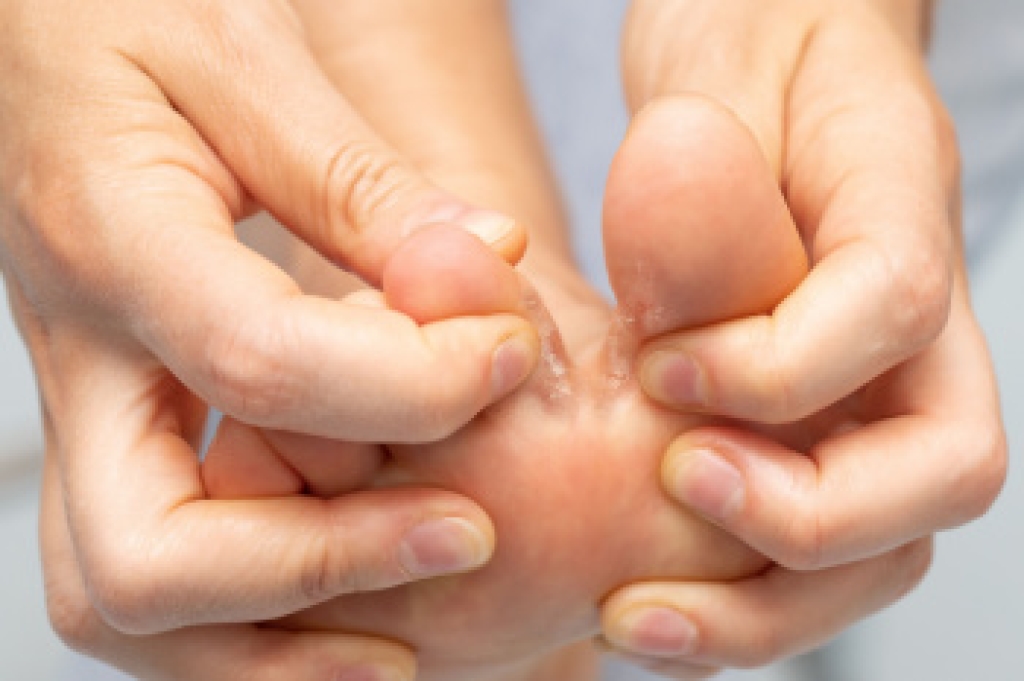

Read more about How to Care for Your Child's Feet

Are You Suffering From Nerve Damage?

Neuropathy is a condition that can lead to numbness or loss of sensation in the feet, but it can also cause pain. This condition is more likely to develop for those who are diabetic, obese, or with high blood pressure.

Foot and Ankle Pain in Dancers

Pain in the feet and ankles is extremely common among young dancers training at an advanced level. Different dance styles place unique demands on the body, which can affect where and how often injuries occur. Ballet, for example, tends to show the greatest overall number of dancers dealing with foot and ankle discomfort, likely due to repetitive movements like pointe work and strict technique. On the other hand, contemporary dance often sees more new cases developing over time, possibly because of its dynamic and unpredictable movements. The location of pain can also vary depending on the style, with certain areas of the foot or ankle being stressed more in specific genres. Understanding these patterns can help dancers and coaches focus on prevention, proper technique, and recovery strategies. If you are a dancer and have persistent foot or ankle discomfort, it is suggested that you schedule an appointment with a podiatrist for a proper diagnosis and appropriate treatment.

Sports related foot and ankle injuries require proper treatment before players can go back to their regular routines. For more information, contact one of our podiatrists of Comprehensive Foot & Ankle Center. Our doctors can provide the care you need to keep you pain-free and on your feet.

Sports Related Foot and Ankle Injuries

Foot and ankle injuries are a common occurrence when it comes to athletes of any sport. While many athletes dismiss the initial aches and pains, the truth is that ignoring potential foot and ankle injuries can lead to serious problems. As athletes continue to place pressure and strain the area further, a mild injury can turn into something as serious as a rupture and may lead to a permanent disability. There are many factors that contribute to sports related foot and ankle injuries, which include failure to warm up properly, not providing support or wearing bad footwear. Common injuries and conditions athletes face, including:

  • Plantar Fasciitis
  • Achilles Tendinitis
  • Achilles Tendon Rupture
  • Ankle Sprains

Sports related injuries are commonly treated using the RICE method. This includes rest, applying ice to the injured area, compression and elevating the ankle. More serious sprains and injuries may require surgery, which could include arthroscopic and reconstructive surgery. Rehabilitation and therapy may also be required in order to get any recovering athlete to become fully functional again. Any unusual aches and pains an athlete sustains must be evaluated by a licensed, reputable medical professional.

If you have any questions please contact our offices located in Lehigh Ave and Nazareth Hospital in Philadelphia, Collegeville Darby, and Langhorne, PA . We offer the newest diagnostic and treatment technologies for all your foot and ankle needs.

Read more about Sports Related Foot And Ankle Injuries

Connect With Us

scroll to top